Mobile puzzle games have become a popular way to relax, challenge your thinking, and fill short breaks throughout the day. Among the many options available, Match-3 and block puzzle games stand out because they are easy to understand but surprisingly difficult to put down. Both styles offer satisfying gameplay, rewarding challenges, and opportunities to improve your skills. However, they keep you interested in different ways.
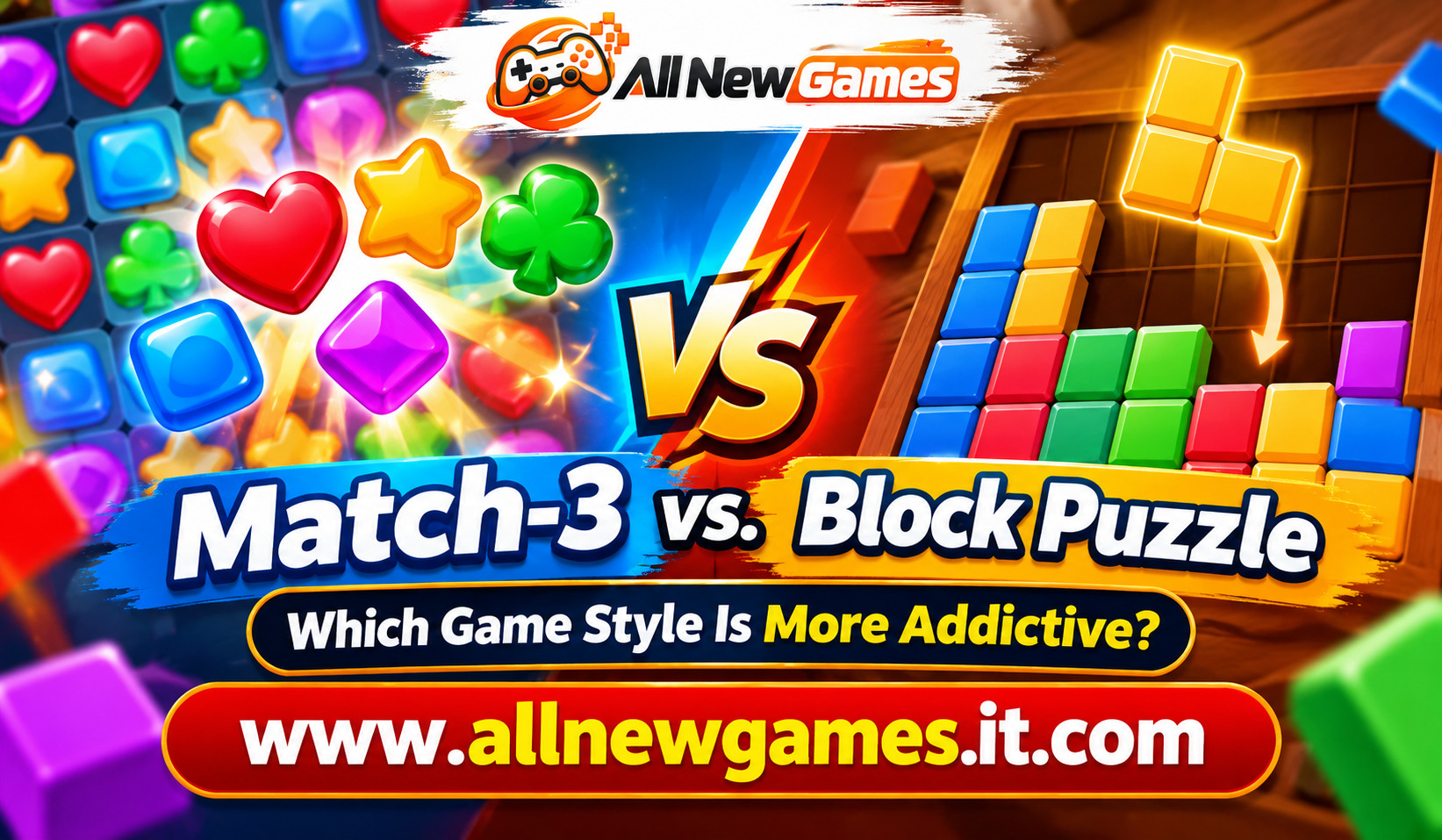
When you compare Match-3 vs. Block Puzzle, you discover two distinct approaches to casual gaming. Match-3 games encourage you to create combinations, clear colourful objects, and complete objectives within limited moves. In contrast, block puzzle games challenge you to arrange shapes, manage empty spaces, and plan your next move carefully.
So, which game style is more addictive? The answer depends on what makes a game enjoyable for you. Your personality, playing habits, preferred challenges, and desire for quick rewards can all influence your choice. Let us explore their differences, gameplay mechanics, psychological appeal, and long-term entertainment value to help you decide which puzzle experience suits you best.
Understanding Match-3 and Block Puzzle Games
Before comparing their addictive qualities, you should understand how these two puzzle formats work.
What Are Match-3 Games?
Match-3 games require you to align three or more identical objects to clear them from a board. You usually swap neighbouring tiles, gems, candies, or other objects to create matching combinations.
Popular examples include Candy Crush Saga, Bejeweled, and Royal Match. Although their visual themes and additional features differ, they share the same basic principle: identify matching opportunities and complete specific objectives.
As you progress, the challenges become more complicated. You might encounter obstacles, restricted moves, special tiles, or targets that require particular combinations. Consequently, you need to think strategically instead of simply matching random objects.
What Are Block Puzzle Games?
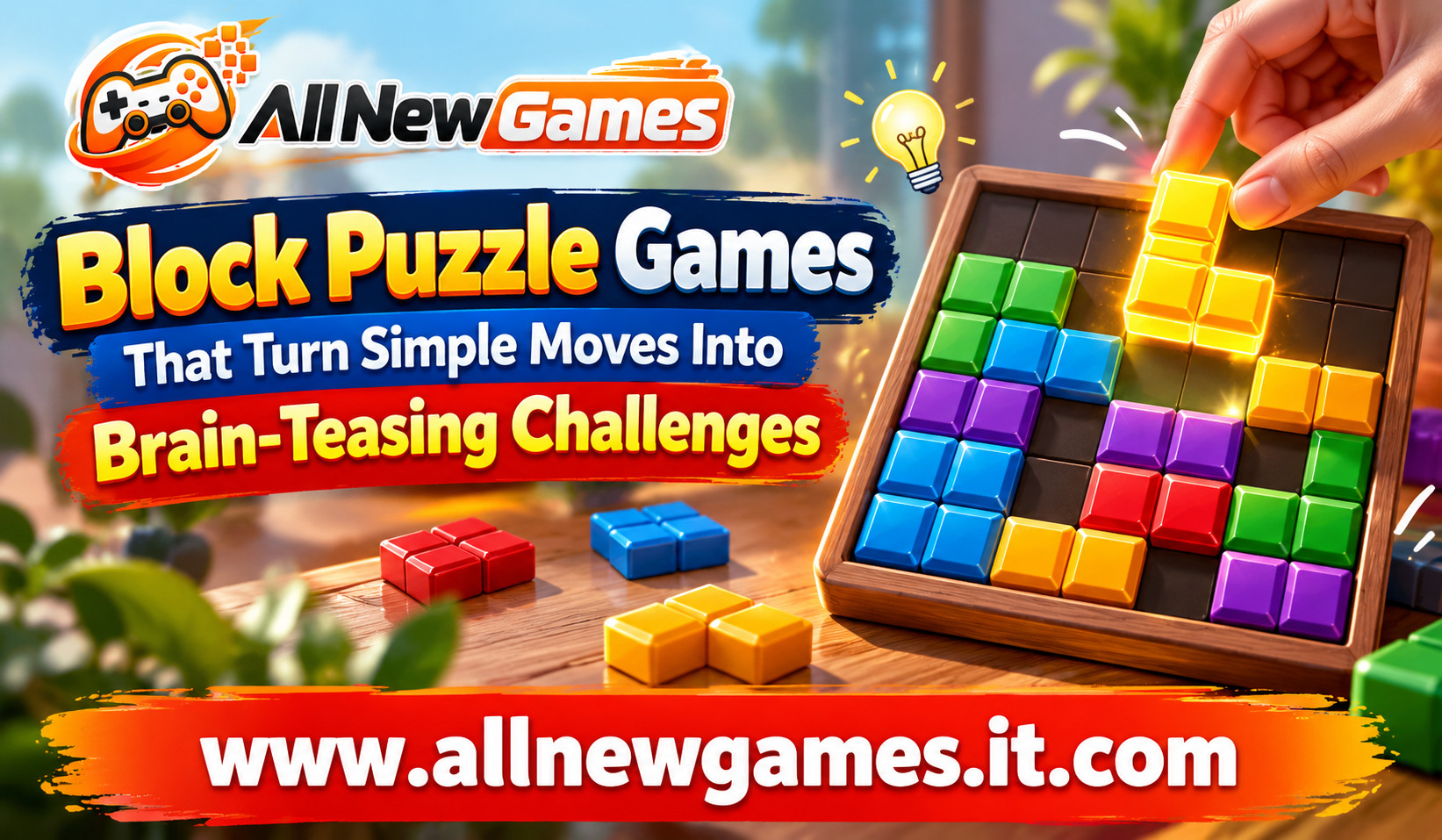
Block puzzle games focus on arranging differently shaped pieces within a grid. Your objective is generally to complete horizontal or vertical lines to clear them and create additional space.
Games such as Blockudoku and Woodoku use familiar block-placement mechanics with variations in their presentation and rules.
Unlike traditional Match-3 games, block puzzles often do not require you to match colours or swap neighbouring objects. Instead, you must consider how each shape fits into the available space.
Every placement affects your future opportunities. Therefore, successful gameplay depends on spatial awareness, planning, and efficient use of the board.
Match-3 vs. Block Puzzle: Key Gameplay Differences
Both game styles are accessible to beginners, but their mechanics create different experiences.
| Feature | Match-3 Games | Block Puzzle Games |
| Main objective | Match identical objects | Arrange shapes to clear lines |
| Core skill | Pattern recognition | Spatial reasoning |
| Gameplay | Swapping neighbouring tiles | Placing available blocks |
| Visual experience | Colourful and animated | Usually grid-based and minimal |
| Strategy | Combination planning | Space management |
| Rewards | Matches, boosters, and level completion | Line clears and improved scores |
| Challenge | Obstacles and limited moves | Increasingly restricted space |
Match-3 games generally provide more visual variety and structured progression. Block puzzles, meanwhile, offer a more straightforward experience where every placement can influence your final result.
Your preference depends on whether you enjoy creating combinations or organising shapes.
Why Are Match-3 Games So Addictive?
Match-3 games are designed around quick interactions and rewarding outcomes. Their colourful presentation, accessible rules, and progressive challenges make them particularly engaging.
1. Instant Rewards Keep You Interested
One of the biggest attractions of Match-3 games is the immediate satisfaction of clearing matching objects. When you create a successful combination, the game responds with animations, sounds, and visual effects.
These responses provide clear feedback about your actions. You can quickly understand whether your strategy worked, which encourages you to continue experimenting.
Furthermore, special combinations often produce bigger effects. Creating a powerful match can clear several objects simultaneously, making successful moves feel especially rewarding.
2. Increasing Difficulty Creates Curiosity
Most Match-3 games introduce new challenges as you complete levels. Early stages teach you the basic mechanics, while later stages introduce obstacles, additional objectives, and restrictions.
This progression creates curiosity because you want to discover what comes next. You may also feel motivated to overcome a difficult level after several unsuccessful attempts.
However, some games include limited lives, optional purchases, and other progression systems that encourage repeated engagement. You should recognise these features and decide how much time and money you want to spend.
3. Colourful Graphics Improve Engagement
Visual presentation plays an important role in Match-3 entertainment. Bright colours, animated combinations, appealing characters, and satisfying sound effects make the gameplay enjoyable.
These features also make the games approachable for different age groups. You do not need extensive gaming experience to understand what is happening on the screen.
For many players, this combination of simple mechanics and attractive presentation makes Match-3 games an easy choice during short breaks.
Why Are Block Puzzle Games So Addictive?
Block puzzle games may look simpler than Match-3 titles, but their strategic depth can make them equally engaging.
1. Every Placement Creates a New Challenge
Block puzzles require you to consider the available space before placing each shape. A placement that looks useful immediately might create problems when your next pieces arrive.
For example, placing a large block in the centre could prevent you from completing another line. Therefore, you need to evaluate the entire board rather than focus on one immediate reward.
This constant decision-making keeps your attention on the game.
2. Personal Progress Encourages Repeated Play
Many block puzzle games focus on achieving higher scores rather than completing hundreds of predefined levels.
This scoring system gives you a personal challenge. You might finish one session with a particular score and try to improve it during your next attempt.
As you become more familiar with different shapes and placement opportunities, you can recognise better combinations and manage the board more efficiently.
The opportunity to beat your previous performance provides a straightforward reason to return.
3. Simple Gameplay Makes Them Accessible
Block puzzles generally have uncomplicated controls. You select a shape, drag it into an available position, and try to complete lines.
You can usually understand the basic rules within a few minutes. Moreover, the absence of complicated objectives makes these games suitable for quick gaming sessions.
Their relatively minimal presentation can also appeal to players who prefer concentration over colourful animations and frequent visual effects.
Which Game Style Offers Better Mental Challenges?
Both puzzle formats encourage different types of thinking. Neither is automatically better for your brain, but each offers opportunities to practise particular skills.
Match-3 games encourage:
- Pattern recognition through identifying matching objects.
- Planning by considering the consequences of different swaps.
- Decision-making when moves are limited.
- Adaptability when obstacles change the board.
Block puzzle games encourage:
- Spatial reasoning through visualising where shapes will fit.
- Planning by anticipating future placements.
- Problem-solving when available space becomes limited.
- Strategic thinking through managing rows, columns, and gaps.
For example, Match-3 gameplay might require you to identify a combination that clears an obstacle while conserving moves. A block puzzle might require you to leave enough room for a large piece without blocking future placements.
If you enjoy visual patterns and combinations, Match-3 may feel more satisfying. However, if you prefer logical decisions and spatial challenges, block puzzles might hold your attention longer.
Which Game Style Is More Addictive?
The answer depends on the type of motivation that keeps you playing.
Match-3 games often create excitement through frequent rewards, colourful effects, level progression, and new challenges. Their structured objectives give you a clear reason to continue playing.
Block puzzle games create engagement through strategic decisions, personal score improvements, and the desire to find a better placement. Their straightforward mechanics make it easy to start another round.
Consider these differences:
| Player Preference | Better Match |
| Enjoys colourful animations | Match-3 |
| Likes quick visual rewards | Match-3 |
| Prefers level-based progression | Match-3 |
| Enjoys logical placement challenges | Block Puzzle |
| Likes improving personal scores | Block Puzzle |
| Prefers simple, minimal gameplay | Block Puzzle |
Neither style is universally more addictive. Match-3 games may feel more engaging if you enjoy frequent rewards and structured progression. Block puzzles may become your favourite if you enjoy concentration, strategy, and improving your performance.
It is also worth remembering that game engagement is not the same as addiction. Spending more time on a particular game does not automatically indicate a gaming disorder. However, difficulty controlling playtime or neglecting everyday responsibilities can be warning signs that deserve attention.
Tips for Enjoying Puzzle Games Without Overplaying
Whether you prefer Match-3 or block puzzles, maintaining healthy gaming habits helps you enjoy the experience without allowing it to interfere with your routine.
Here are four practical suggestions:
- Set a playing limit: Decide how much time you want to spend gaming before starting a session.
- Avoid chasing every reward: You do not need to complete every daily challenge, event, or level.
- Take regular breaks: Give your eyes and mind time to rest, especially during longer sessions.
- Control in-app spending: Check purchase options carefully and avoid spending money simply to overcome a difficult level.
Puzzle games should provide entertainment and relaxation. Therefore, choose a playing schedule that fits comfortably around your work, studies, sleep, and personal activities.
Can You Enjoy Both Match-3 and Block Puzzle Games?
Absolutely! You do not have to choose only one puzzle format.
Playing both styles can provide variety because they involve different mechanics and challenges. You might enjoy Match-3 games when you want colourful entertainment and quick rewards. On another day, a block puzzle might feel more suitable when you want a quieter experience that requires concentration.
Switching between the two formats can also prevent your gaming routine from becoming repetitive.
For example, you could play a few Match-3 levels during a short break and try a block puzzle later when you have more time to focus on strategic placements.
Ultimately, the best approach is to explore different games and discover which mechanics you genuinely enjoy.
Frequently Asked Questions (FAQs)
1. Are Match-3 Games More Addictive Than Block Puzzles?
Match-3 games can feel more engaging because of their colourful effects, frequent rewards, and level progression, but individual preferences determine which format holds your attention longer.
2. Do Block Puzzle Games Improve Problem-Solving Skills?
Block puzzle games encourage problem-solving by requiring you to evaluate available spaces, anticipate future placements, and make strategic decisions.
3. Which Is Better for Beginners: Match-3 or Block Puzzle?
Both are beginner-friendly, but Match-3 games may feel more intuitive if you enjoy matching colours, while block puzzles suit players who prefer arranging shapes.
4. Can You Play Match-3 and Block Puzzle Games Offline?
Some Match-3 and block puzzle games offer offline gameplay, but availability depends on the individual game, its features, and whether an internet connection is required.
5. Which Puzzle Game Is Better for Short Breaks?
Both formats work well for short breaks. Match-3 offers quick matching challenges, while block puzzles provide straightforward rounds that you can enjoy at your own pace.
Conclusion
When comparing Match-3 vs. Block Puzzle, there is no single winner for everyone. Both formats offer enjoyable experiences, but their appeal comes from different gameplay mechanics.
Match-3 games attract you with colourful visuals, satisfying combinations, frequent rewards, and progressive levels. Block puzzles, on the other hand, challenge your spatial reasoning, strategic thinking, and ability to manage limited space.
If you enjoy exciting animations and clearly defined objectives, Match-3 might become your preferred choice. However, if you like solving placement problems and improving your personal scores, block puzzles could be more rewarding.
The best option is the one that matches your interests and fits your daily routine. Try both styles, explore their different challenges, and enjoy puzzle gaming without letting it take over your time.